


WDWNT, LLC is a participant in the Amazon Services LLC Associates Program, an affiliate advertising program designed to provide a means for sites to earn advertising fees by advertising and linking to Amazon.com.
Former Disney CEO Bob Chapek says Disneyland Magic Key holders visited too frequently, paid too little per visit, and ultimately stood in the way of the company maximizing profits.
Bob Chapek vs the Passholders
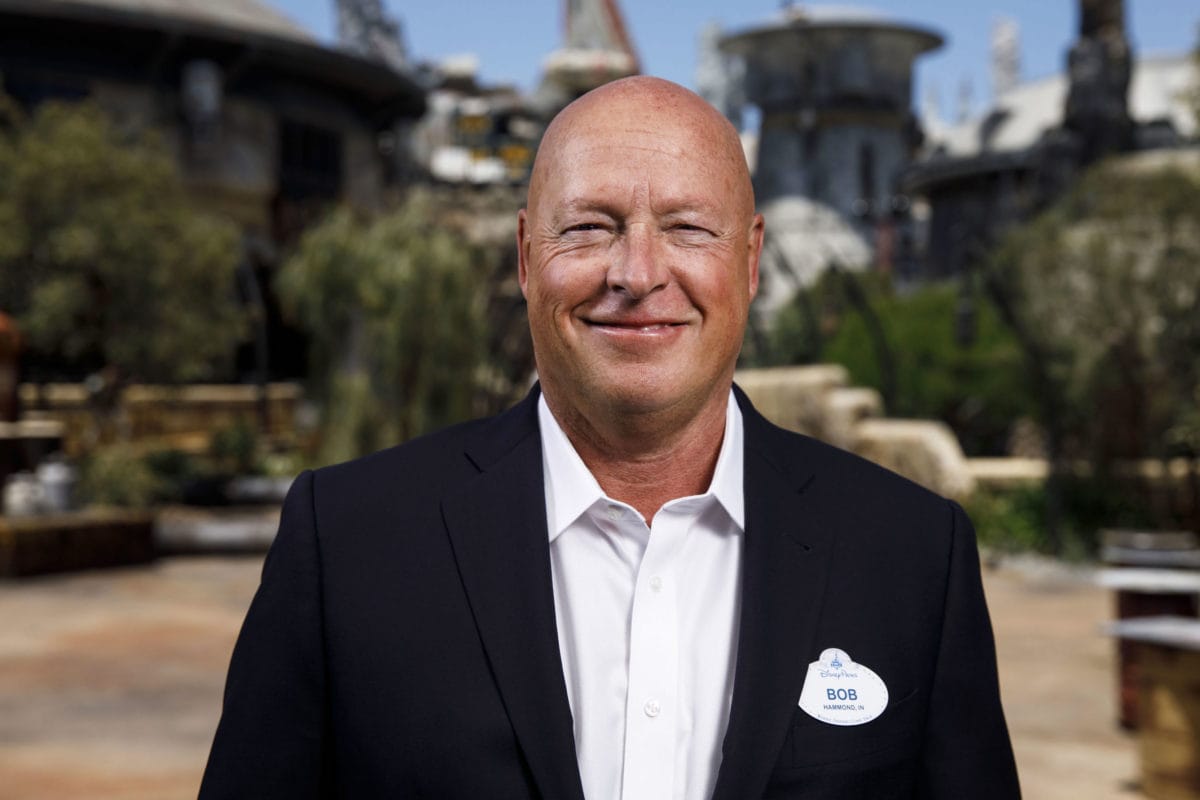
In his new memoir, Behind the Castle Walls: My Thirty Years at the Happiest Place on Earth, Chapek describes Disneyland’s former annual pass program as highly beneficial to passholders but detrimental to Disney and vacationing guests, according to the Orange County Register.
Disneyland introduced annual passes in 1983 to help draw guests during slower times of the year. By the time Chapek became chairman of Walt Disney Parks and Resorts in 2015, however, demand had increased significantly, and the resort was frequently crowded.
Disneyland officially replaced its traditional Annual Passholder program with the “Magic Key” program on August 3, 2021, and the passes went on sale starting August 25, 2021.
The Register reports that Disneyland now has approximately 1.1 million Magic Key holders. Under the former annual pass system, passholders could visit with fewer restrictions and sometimes overwhelm the parks, Chapek argues.
“The passholder experience was a fantastic deal for the passholder, but a terrible one for Disney and its more vacation-oriented guests.”
According to Chapek, Disney determined that out-of-state vacationers generated significantly more revenue than local passholders. These guests were more likely to stay at Disney hotels, purchase multi-day admission, eat in the parks, and buy merchandise. The report states that they were worth approximately six times more per day to Disney than local passholders.
Chapek believed Disneyland was “leaving revenue opportunities on the table to avoid stirring the hornet’s nest.”
He wanted to reduce the number of passholders or limit how often they could visit, allowing Disneyland to accommodate more vacationing guests and better capitalize on demand.
Under Chapek’s leadership, Disney reportedly considered eliminating its annual pass program entirely, but such a decision was expected to generate significant backlash.
“We understood we would get blasted if I attempted to eliminate annual passes altogether, so I moved to shift the math.”
“Shifting the math” meant prioritizing vacationers who stayed longer and spent more money over passholders who might visit for only a few hours after work or school.
Chapek also wanted Disney to provide elite access and specially tailored experiences for wealthier guests. He argued that generating more money from those customers could help keep standard admission prices lower for everyone else.
“The fact remains that some customers generated more revenue than others. Not that I didn’t appreciate the passion and enthusiasm the passholders had for Disney.”
Changing “The Outdated System”

Chapek says two long-standing philosophies within Disneyland complicated efforts to overhaul the passholder program. One was an “unwritten principle” that every guest deserved the same experience—a guiding ethos dating back to Walt Disney’s own expectations of Disneyland—while the other was an “inviolable virtue” that everyone should be treated equally.
According to Chapek, Disney leaders feared departing from those traditions because of the response they expected from longtime passholders.
“People in the company were afraid to change the outdated system, given the fear of a backlash from the loyal passholders who loved the flexibility and value the current system had afforded them for decades.”
Chapek nevertheless moved ahead with tiered ticket pricing, higher annual pass prices, and increased restrictions on passholder access.
“What seemed like a straightforward solution to me provoked predictable reactions ranging from unease to outrage among passholders. In particular, the passholders felt the changes did not fit their personal interests and deemed them unfair.”
Chapek continued raising annual pass prices after the increases produced little or no lasting decline in the total number of passholders.
For reference, the most expensive Disneyland annual pass cost $699 when Chapek took charge of Disney’s theme park division in 2015. By the time he was removed as Disney CEO in 2022, the highest-tier pass cost $1,599, representing an increase of approximately 128%.
As of writing, the Inspire Key, Disneyland’s most expensive Magic Key, costs $1,899. It did not increase in price this week like ticket prices did.
Disneyland Reservation System
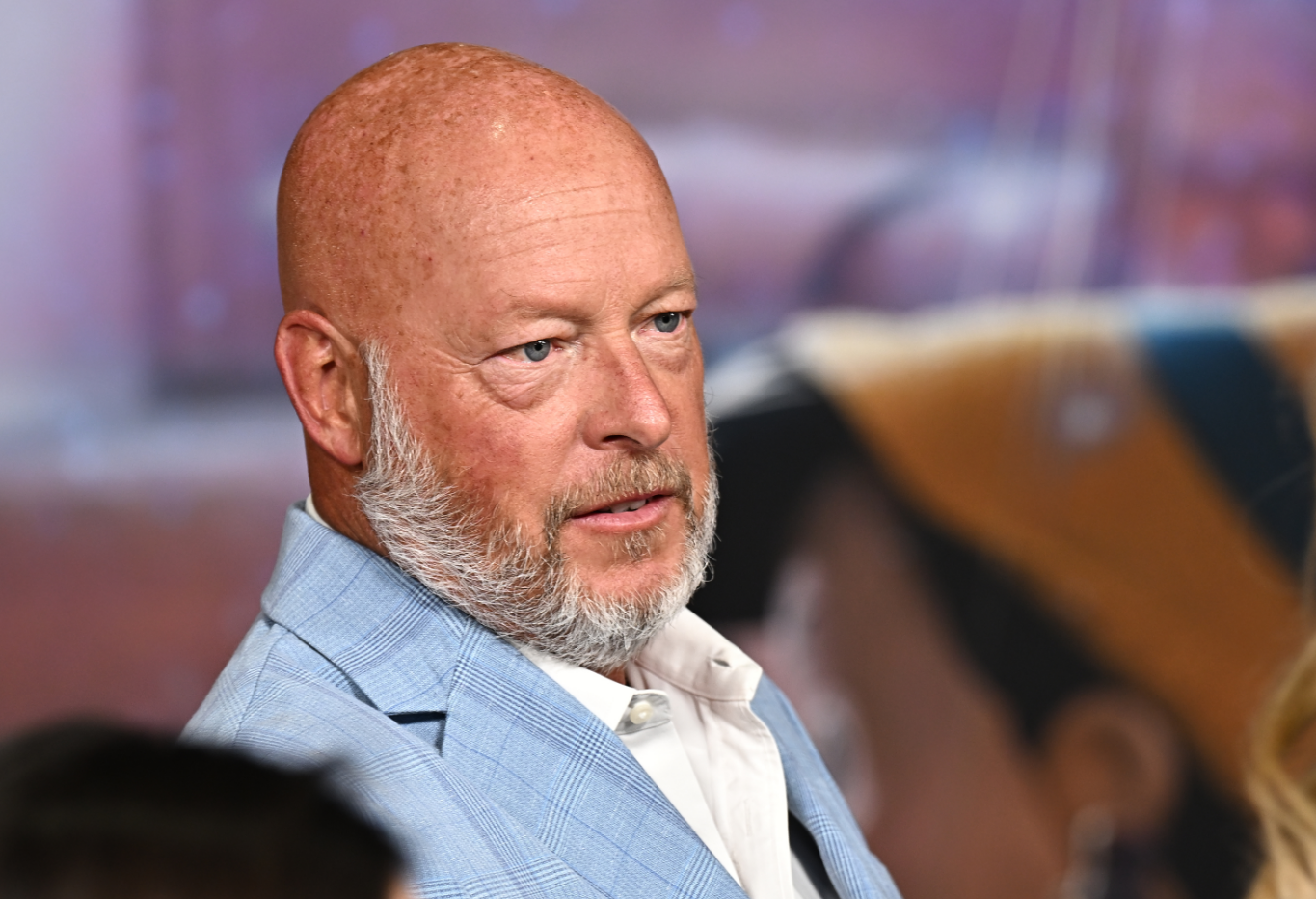
The yearlong closure of Disneyland and Disney California Adventure during the COVID-19 pandemic gave Disney another opportunity to limit attendance. A park reservation system introduced when the parks reopened remained in place after other pandemic-era restrictions were lifted.
Chapek says reservations allowed Disney to better predict daily attendance, control how many passholders entered the parks, and improve the overall guest experience.
However, passholders accustomed to visiting spontaneously viewed the reservation requirement as “heresy,” according to Chapek. The system also initially placed restrictions on park hopping and required guests to secure reservations for eligible dates in advance.
“I was the one tarred and feathered when the reservation system proved unpopular among superfans. Annual passholders complained about the limited flexibility and reservation times and the restrictions on the practice known as parkhopping, or going to multiple parks in one day.”

Many of the recent revelations about Chapek’s business decisions stem from his memoir Behind the Castle Walls, co-written with Don Yaeger. The memoir was released on September 29, 2026, and recounts Chapek’s three decades with The Walt Disney Company, including his tenure as CEO and his abrupt removal in 2022.
Among the many gems from Chapek’s new memoir we’ve covered (so far): Chapek stands by Disney Parks price increases, rejects personal responsibility for his removal, and blames former CEO Bob Iger.
Chapek also said he wrote the memoir to “get the truth out there” after being blindsided and undermined by Iger.
In other media interviews promoting the book, Chapek accused Disney of attempting to “erase” him and explained why he has not returned to Walt Disney World since his departure.
If you haven’t already, do yourself a favor and check out Tom’s honest review of the memoir’s early preview on YouTube:
What do you think of Chapek’s comments about Disneyland passholders? Share your thoughts with us on social media.
For more Disneyland Resort news and info, follow Disneyland News Today on Twitter, Facebook, and Instagram. For Disney Parks news worldwide, visit WDWNT.
WDW News Today (and WDWNT LLC and the WDWNT Network of websites and podcasts) has financial relationships with some of the merchants mentioned on this blog. WDWNT LLC may be compensated if consumers choose to utilize the links located throughout the content on this site and generate sales for the merchant. WDWNT LLC is compensated for certain paid links and advertisements on this blog. You are not obligated to click on any link or buy any products that are advertised.
Per FTC guidelines, this website may be compensated by companies mentioned through advertising, affiliate programs, or otherwise. Any references to third party products, rates, or websites are subject to change without notice. Please do the appropriate research before participating in any third party offers.
The post Bob Chapek Considered Eliminating Disneyland Magic Keys Entirely, Calls System a ‘Terrible Deal’ for Disney appeared first on WDW News Today.