


If you’ve flown anywhere lately, you already know that airport security can be a little confusing.

MCO TSA PreCheck
Airport security has changed dramatically over the past few years, and it can be tough to keep up. Maybe you don’t know what you’re allowed to pack. Do you still need to take your shoes off? Does your laptop need to stay in your bag? What’s the deal with ID? The Transportation Security Administration (TSA) has been changing the airport experience at a pretty rapid pace, and some of the biggest changes aren’t necessarily the ones you’ll hear about when you book your flight.

Some big TSA changes are already here, while others are being tested. Here are some changes you might have missed.
You May Soon Be Able to Go Through Security Without a Plane Ticket
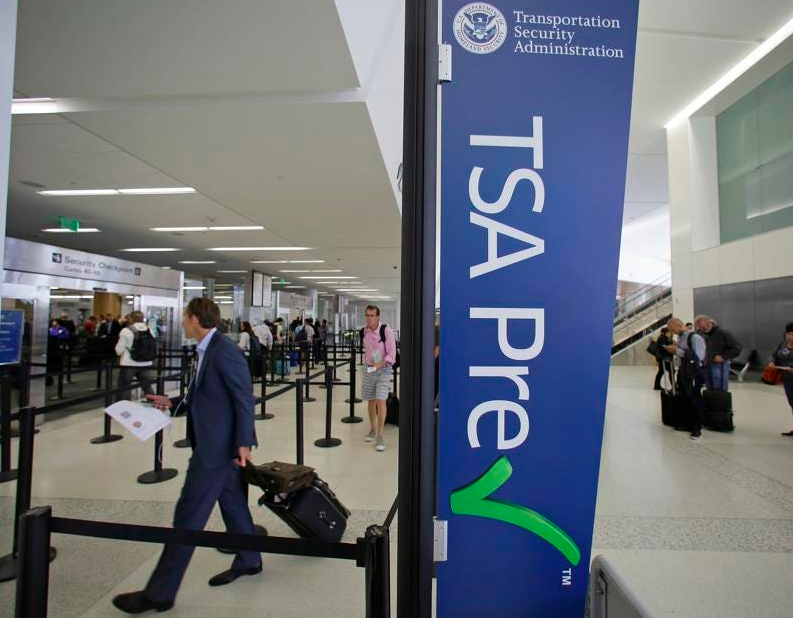
This one sounds almost unbelievable — and something that hasn’t been a reality for 25 years. This September, TSA launched a new pilot program called Gateside by TSA PreCheck, which allows certain non-travelers to go through airport security and enter the gate area without actually having a flight.
©AP
That means you could potentially accompany a loved one all the way to their gate, meet someone during a layover, or greet a friend or family member when they arrive. The program is free, but there is an application process.
TSA PreCheck members, as well as eligible travelers with a Known Traveler Number (KTN), can apply online between one and three days before their planned airport visit. If approved, the visitor goes through security using the TSA PreCheck process and a valid ID.

PreCheck signage
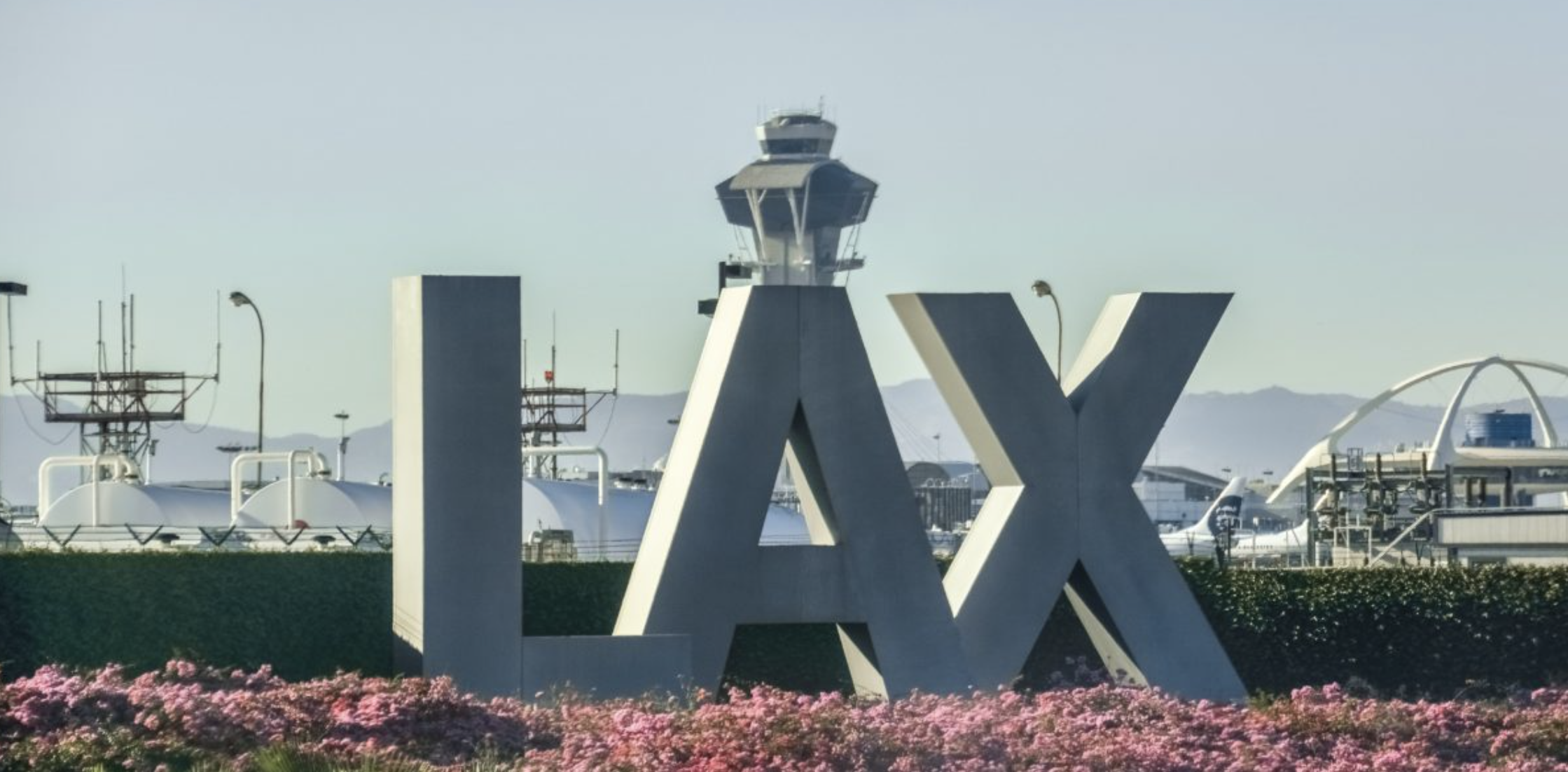
The program is currently operating at 13 airports:
- Mesa Gateway Airport (AZA)
- John Glenn Columbus International Airport (CMH)
- Dallas Fort Worth International Airport (DFW)
- Detroit Metropolitan Wayne County Airport (DTW)
- Wichita Dwight D. Eisenhower National Airport (ICT)
- Indianapolis International Airport (IND)
- Harry Reid International Airport (LAS)
- Los Angeles International Airport (LAX)
- Bill and Hillary Clinton National Airport (LIT)
- Will Rogers International Airport (OKC)
- Eppley Airfield (OMA)
- San Diego International Airport (SAN)
- Salt Lake City International Airport (SLC)
©Jeremy Bezanger/Unsplash
This could be a pretty big deal for families, especially.
Your Water Bottle May Be Able to Go Through Security
This could be one of the biggest changes of all. For years, travelers have had to deal with strict water bottle restrictions. But TSA is considering changing that — at least for some travelers.

Rapunzel Owala
Certain TSA PreCheck passengers may be able to bring full-size bottles of water through security at airports equipped with newer screening technology. The idea is tied to advanced screening technology that’s able to produce detailed images of what’s inside a bag. TSA technology can also be paired with liquid-screening equipment designed to distinguish ordinary liquids from potentially dangerous substances.
It’s important to note that the normal 3-1-1 liquids rule has not disappeared nationwide. This rule states that liquids in carry-on bags generally must be in containers of 3.4 ounces or less and fit within the applicable screening requirements.
Touchless ID is Getting Bigger
TSA is also moving toward a much more digital airport experience. TSA PreCheck Touchless ID uses facial comparison technology to verify travelers. The program has expanded significantly, with TSA now listing Touchless ID as available at dozens of airports.

TSA PreCheck Touchless Identity Solution at LaGuardia
There are eligibility requirements — such as TSA PreCheck membership and a valid passport –, and travelers generally need to opt in through a participating airline or an eligible digital-wallet process. Recently, Google Wallet became a new way for eligible travelers to opt in.
TSA has also been testing eGates that can automatically compare a traveler’s biometrics with their identity document and boarding-pass information. This process would bypass the need for TSA employees to manually perform every identity check.
Your Carry-On Bag Might Have to Change
The newest security scanners provide more detailed, three-dimensional views of what’s inside carry-on luggage — meaning you won’t need to remove certain electronics and travel-size liquids from your bag.
With that said, some of the newer CT systems have smaller scanner openings, which means certain oversized carry-ons may not fit.

Zootopia 2 TSA security bins
TSA has said that larger bags may need to be checked when they don’t fit through the equipment. Nearly 300 airports have this newer technology, and TSA plans to replace more of the older scanners over time. The technology is getting smarter, but that doesn’t necessarily mean the machine’s opening is getting bigger.
That $9 Airport Security Shortcut Is Real
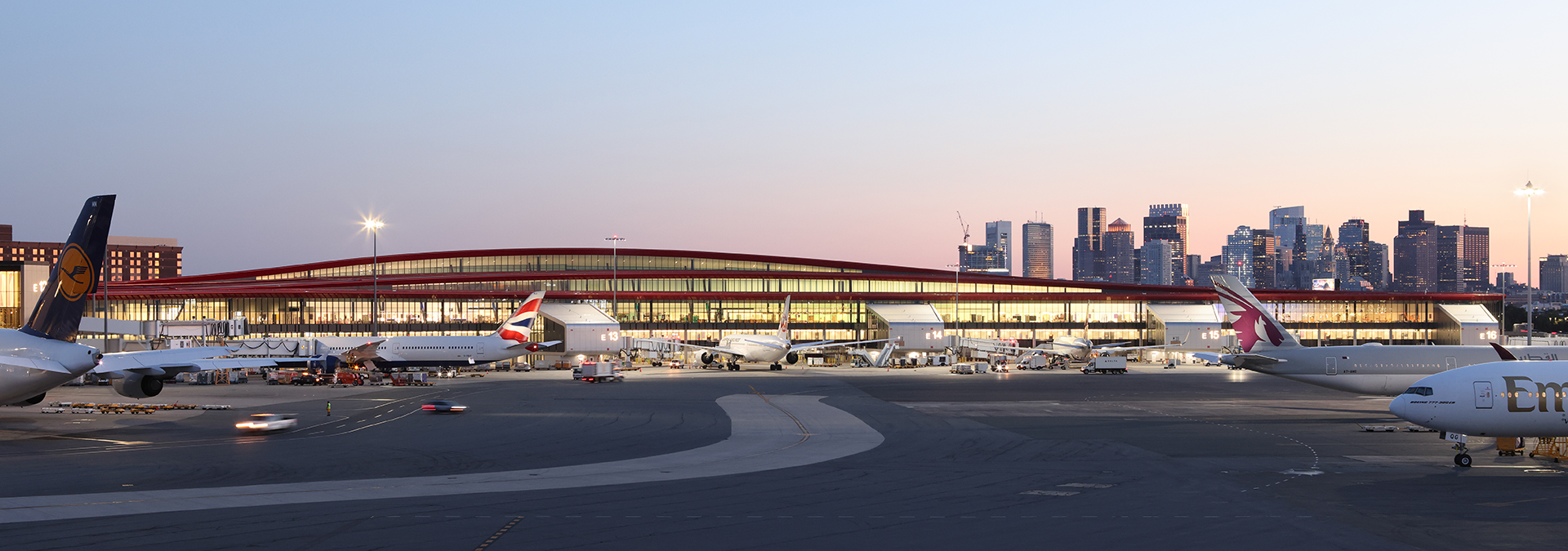
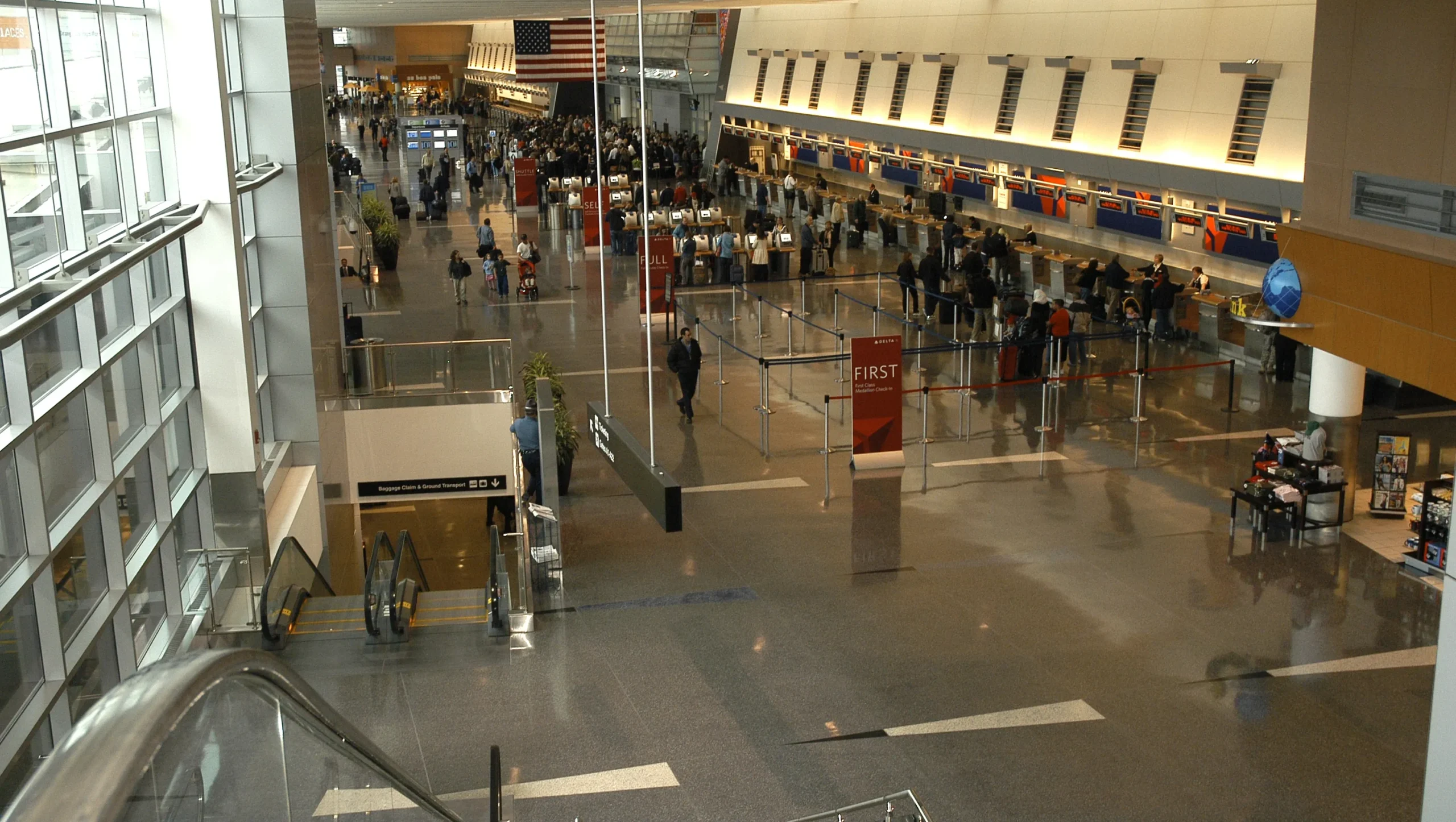
In June, the TSA launched a remote screening process at Boston Logan International Airport where eligible passengers on select JetBlue and Delta flights departing between 5:30 AM and 4 PM can complete check-in and security screening at a remote facility in Framingham, Massachusetts. From there, they take a shuttle directly to their terminal. Keep in mind there is a $9 fee.
©Massport
Parking at the Framingham location costs $7 per day, and children under 18 can ride the shuttle for free when traveling with a ticketed adult. The goal here is to give travelers another option for dealing with airport traffic, parking, and security checkpoints.
©Massport
Remote screening has also popped up at other locations in places like Los Angeles, Atlanta, and New York.
One Stop Security Will Help With Connecting Flights
TSA has been working on One Stop Security (OSS), which is designed to allow certain international passengers to avoid repeating security screening when connecting to another flight in the United States.
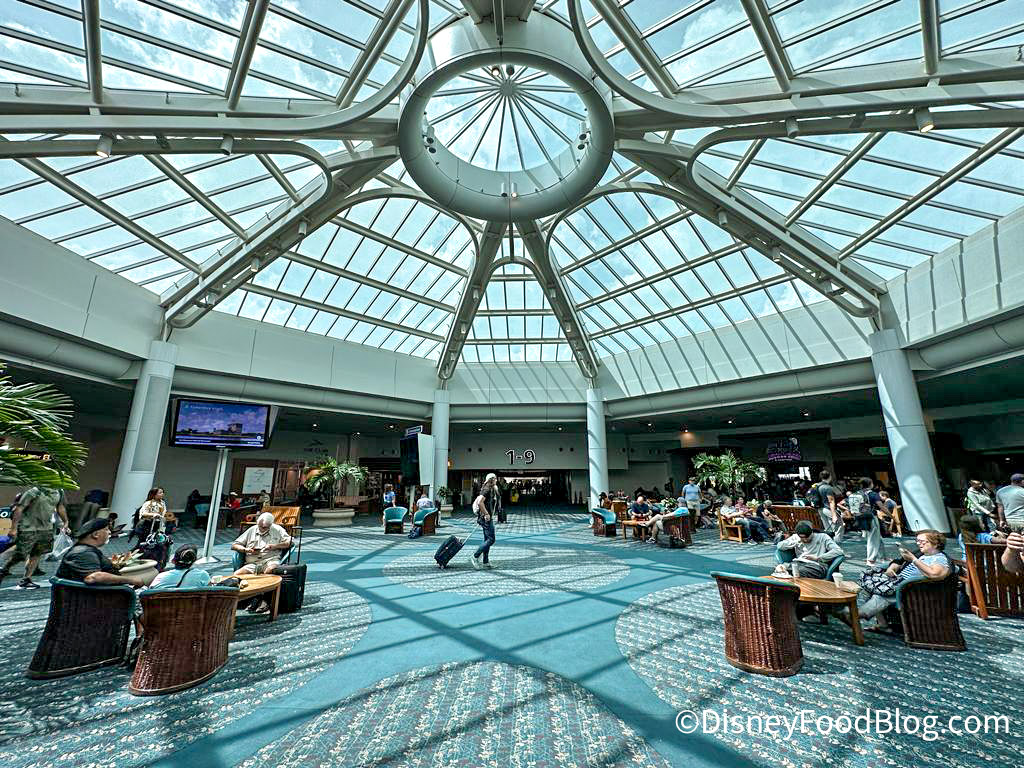
Orlando International Airport
If you’ve already completed security screening at an approved foreign airport, you may be able to continue directly to your connecting flight rather than going through another full security process in the U.S. The program has already been introduced on select routes involving London Heathrow, with American Airlines and Delta participating in the early rollout.
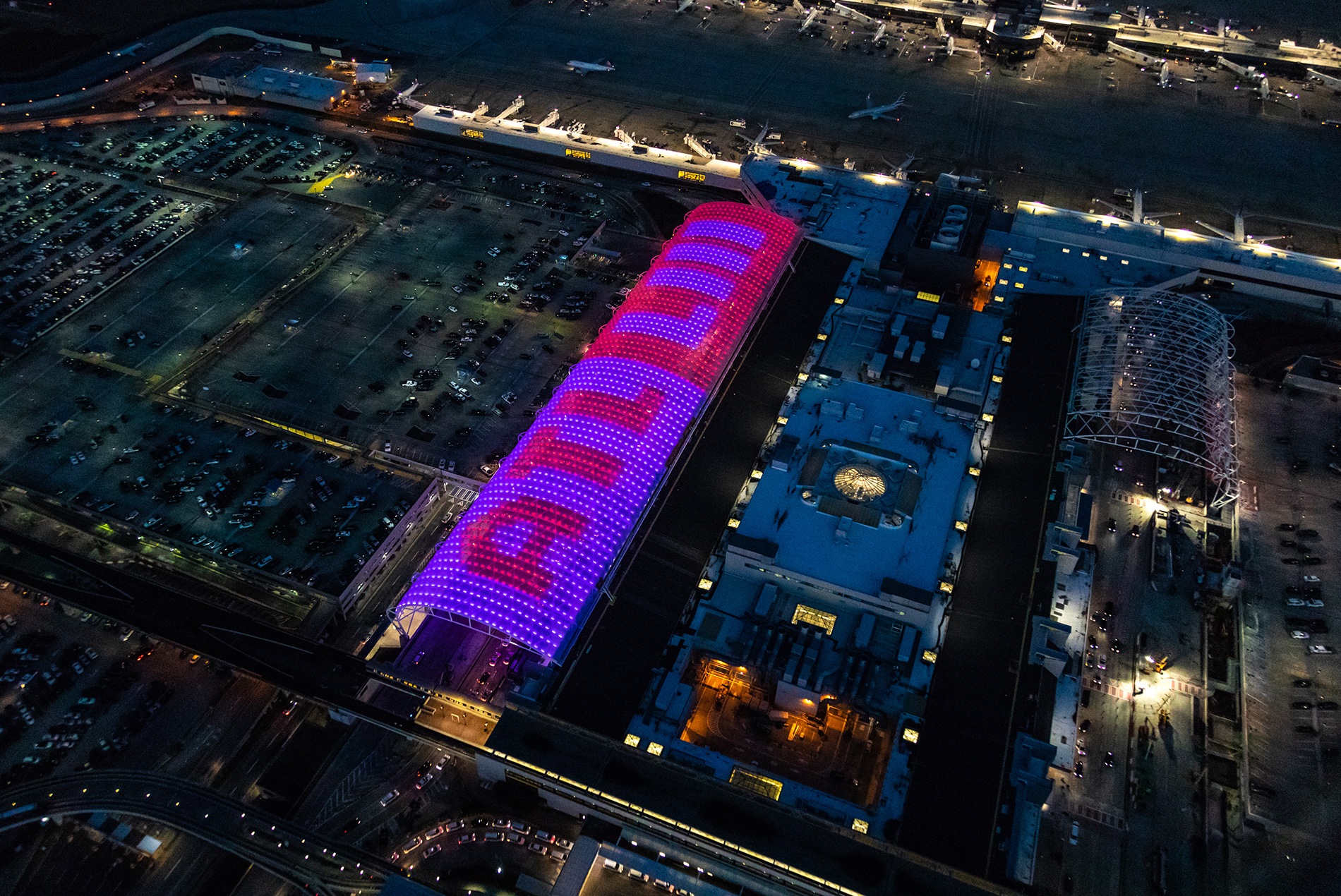
©Hartsfield Jackson Atlanta International Airport
Similar implementations have popped up at Dallas-Fort Worth and Atlanta. Eligibility can vary by airline and traveler status.
TSA Is Getting Stricter on Sharp Objects
Small knives and utility knives didn’t suddenly become banned in carry-ons in July 2026 — they’ve been prohibited for years. But it’s also worth noting that the same goes for many weapon replicas. TSA guidelines already restrict realistic firearm replicas from carry-on travel, and replica explosives are also banned.
Toy weapons can have specific restrictions depending on what they resemble.

Toys for the Kiddos
What TSA wants travelers to recognize is that they should not rely on the size of a blade or the fact that something is marketed as a toy when deciding whether it belongs in a carry-on. If you’re packing something remotely questionable, check TSA’s current “What Can I Bring?” guidance before you leave for the airport. If you make a mistake, get ready to have a serious conversation and potentially have your item confiscated.

Indy Sword
The TSA experience has changed dramatically, and it’ll likely keep evolving at a rapid pace in the near future. We’ll continue to keep you in the loop on the latest updates, so be sure to keep it posted right here at DFB!
Could This NEW TSA Program Change The Way We Travel?
DON’T DO IT ALONE!
Our favorite people over at Small World Vacations are ready to help you save time, headaches, and best of all, money, when you book your Disney trip or cruise.
Their agents compare current offers to find the best deal for you — they’ve literally saved their guests millions of dollars since 1996. Plus, their services are 100% FREE FOR YOU! (They’re DFB’s recommended travel agency, and you can see why here!)
So book that trip now, then sit back and enjoy planning your Disney World Trip with a DFB-approved expert! Click here for a no obligation price quote today, and let them know DFB sent you
How are you feeling about these TSA changes? Share your thoughts in the comments below!